
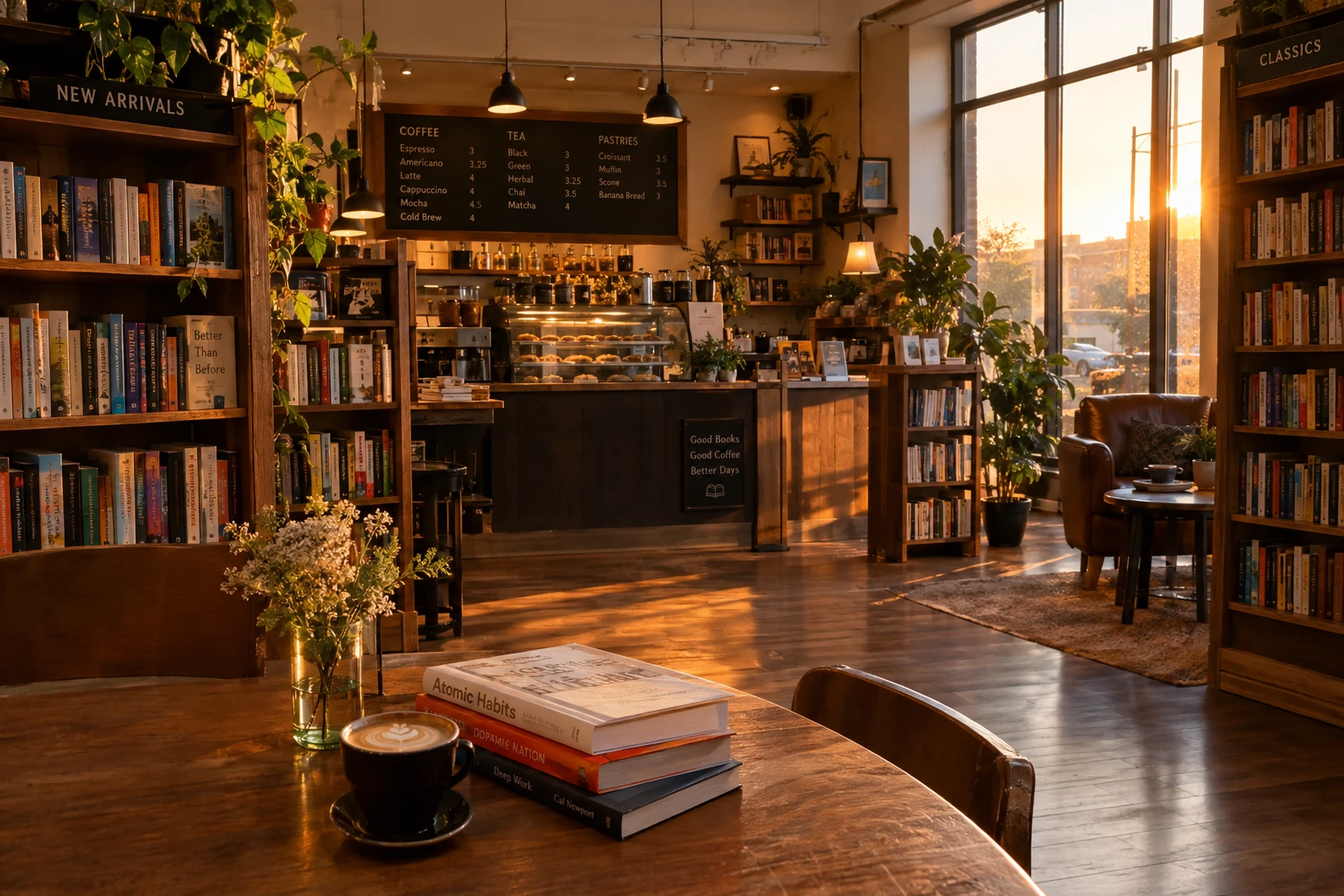
Readme
GPT Image 2.5 Flare
GPT Image 2.5 Flare is OpenAI’s fastest model for high-quality, everyday image generation. Generate images from text or edit existing images with instruction-following control, at speed.
What it does
Flare handles two workflows: generating images from text descriptions, and editing existing images with specific instructions. It’s the fast option in the GPT Image 2.5 line — tuned for high-volume, everyday generation where speed matters.
When you pass reference images, Flare processes them at high fidelity automatically. Pass one image to edit it, or pass multiple images to combine styles, subjects, or references into a single output.
Quality settings
Flare supports six quality settings: low, medium, high, xhigh, max, and auto (the default). Lower quality is faster and cheaper; xhigh and max push detail and fidelity further for final assets. Start with low for drafts and step up when the image needs it.
Key capabilities
Photorealism and detail: Natural-looking images with accurate lighting, believable materials, and rich textures.
Text rendering: Dense text, small lettering, and complex layouts like infographics, UI mockups, and marketing materials.
Precise editing: Targeted changes without reinterpreting the entire image. The model preserves identity, composition, and lighting while you adjust specific elements.
Style control: Apply consistent visual styles across different subjects, or transfer the look of one image to another with minimal prompting.
Use cases
Image generation: Infographics, logos, UI mockups, photorealistic scenes, comic strips, marketing visuals — at high volume.
Image editing: Style transfer, virtual clothing try-ons, product mockups, text translation in images, lighting adjustments, object removal, scene compositing.
Character consistency: Build multi-page illustrations where characters look the same across different scenes.
How to get good results
Be specific: Instead of “make it better,” say “add soft coastal daylight” or “change the red hat to light blue velvet.”
Use photo language for realism: Mention lens type, lighting quality, and framing. “Shot with a 50mm lens, soft daylight, shallow depth of field” gets you closer to real photography.
Lock what shouldn’t change: When editing, state what must stay the same. “Change only the lighting, preserve the subject’s face, pose, and clothing.”
Put text in quotes: For readable text, put the exact copy in “quotes” and describe the typography.
Inputs
prompt: What you want to generate or how to edit the inputinput_images: One or more reference images (for editing or composing)aspect_ratio: Named ratios (1:1,3:2,2:3,4:3,3:4,16:9,9:16),auto, or explicit sizes like1024x1024quality:low,medium,high,xhigh,max, orautonumber_of_images: Generate up to 10 images in a single calloutput_format:webp(default),png, orjpegbackground:auto,transparent, oropaquemoderation:auto(default) orlowfor less strict content filteringopenai_api_key: Optional — bring your own OpenAI API key to pay OpenAI directly
You can try this model on the Replicate Playground at replicate.com/playground.